Sales Tax Calculator That Figures Your Exact Take-Home Price
A sales tax calculator is a simple tool that instantly figures out the tax amount and total price for any purchase or invoice. You just enter the pre-tax amount and your local rate, and it does the math for you in seconds, eliminating manual errors. This makes it incredibly easy to budget accurately or quote prices with confidence, whether you’re shopping or running a small business. It turns a potentially confusing calculation into a quick, friendly assist that keeps your numbers clear and correct.
What Exactly Does a Sales Tax Calculator Do and Who Needs It?
A sales tax calculator determines the precise tax amount for a transaction by multiplying the pre-tax price by the applicable state, county, and city rates, then adding it to the total. It eliminates manual arithmetic errors and instantly handles varying jurisdictional rates. Who needs it? Primarily small business owners, freelancers, online sellers, and anyone managing invoices or budgets—especially those operating across multiple states. For consumers, it’s useful for estimating final costs before checkout. Q: Does it work for B2B purchases? A: Yes, if you input the tax-exempt status, it can show zero tax or apply the correct resale certificate logic. The tool serves anyone who needs a fast, accurate breakdown of tax versus net price without consulting rate tables.
Breaking Down the Core Function: From Base Price to Final Total
The core function of a sales tax calculator begins with accepting the base price, which is the pre-tax amount of the goods or services. The tool then applies the correct, jurisdiction-specific tax rate—typically entered manually or auto-detected by ZIP code—to compute the tax amount. Finally, it adds that tax to the base price to produce the final total. This process follows a strict sequence:
- Input the base price and tax rate.
- Multiply base price by the rate to isolate the tax due.
- Sum the base price and tax to yield the final total payable.
The precision of this breakdown ensures you see exactly how much is tax versus product cost, eliminating guesswork when budgeting or invoicing.
Freelancers, Small Shops, and Big Stores: Who Gets the Most Value?
Freelancers gain immediate value because a sales tax calculator eliminates the guesswork across multiple state jurisdictions, letting them invoice accurately without manual rate hunting. Small shops benefit most from time savings, as the tool automates tax breakdowns for diverse product lines and customer locations, reducing costly math errors that erode thin margins. Big stores, however, capture the highest absolute value through volume; processing thousands of transactions daily, even a minor rate miscalculation multiplies into significant liability, making automated precision indispensable. Yet the true winner is the small shop, where a calculator bridges the gap between manual effort and enterprise-level accuracy, offering proportional value that scales with limited resources. Freelancers need it, big stores demand it, but small shops transform it into operational survival.
How Do You Use a Sales Tax Tool Without Making a Mistake?

To use a sales tax calculator without making a mistake, always double-check the rate you input—many tools default to a state rate, but your city or county may add its own. Before hitting calculate, confirm whether the price you entered already includes tax, or if you’re adding it on top; mixing this up is the #1 error. For physical products, set the tool to the buyer’s ship-to address, not your business location, and for services, use the place where the work is performed. After you get your result, round to the nearest cent manually—don’t assume the tool did it correctly. Finally, run a test with a known receipt to verify the calculator’s math matches your state’s rules. A quick sanity check on these points keeps your sales tax calculator results accurate every time.
Step-by-Step: Entering the Right Numbers for Accurate Results
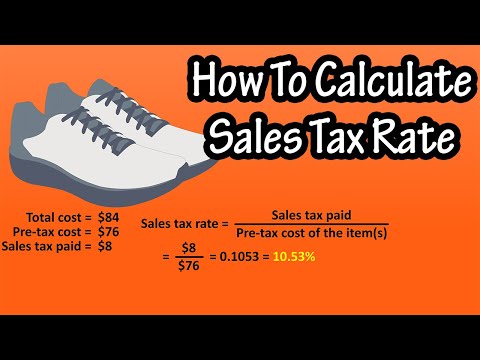
To get accurate results from a sales tax calculator, begin by isolating the **net price versus the gross amount**—enter only the pre-tax product value if your goal is adding tax, or the total paid if you need to extract tax already included. Next, confirm your destination ZIP code or state, since tax rates vary by locality; many tools update automatically once you type the correct digits. Double-check that you have not included shipping charges unless your tool explicitly asks for them. Finally, review the decimal placement—mistyping 25.00 as 250.0 skews everything.
- Enter the exact taxable amount, excluding fees or discounts unless prompted.
- Verify the jurisdiction field matches the physical delivery or service address.
- Re-read the result against your receipt to confirm the calculated tax equals the expected rate.
Avoiding the #1 Pitfall: Mixing Up Tax-Inclusive and Tax-Exclusive Amounts
The quickest way to botch a calculation is by accidentally treating a tax-inclusive price (where tax is already baked in) as if it were tax-exclusive. When you enter that sticker price into a sales tax calculator, the tool assumes it’s the pre-tax subtotal, so it will add tax on top—leaving you overcharged and confused. Always check the receipt or product page first: if the total you see is final, you must work backward by dividing by 1 plus the tax rate, not forward by multiplying. Most calculators have a toggle or a “tax included” checkbox—use it, or manually convert the amount before inputting it.
Always confirm whether the amount you’re entering is before or after tax; mislabeling it is the fastest way to get a wrong final total.
What Features Separate a Basic Tax Calculator from a Great One?
A basic sales tax calculator just multiplies price by a flat rate, but a great one adapts to real-world shopping. It lets you toggle between inclusive and exclusive tax—crucial when a sticker price already includes VAT or when you need to add tax at checkout. The best tools also handle multiple jurisdictions simultaneously, so buying from a store in one state delivered to another updates the rate instantly, not just a single preset. A great calculator remembers your recent rates and offers a currency toggle for cross-border use. Surprisingly, the most overlooked feature is showing the pre-tax subtotal and tax amount separately, which makes receipts and budgets far easier to reconcile. Finally, it should let you input a lump-sum budget and work backward to the max pre-tax spend, something basic tools rarely offer.
Look for These Must-Haves: Multi-Rate Support, Reverse Calculation, and Rounding Logic
A great sales tax calculator must include multi-rate support, allowing you to switch instantly between state, county, or city rates without manual re-entry. Reverse calculation is equally essential, as it derives the pre-tax amount from a total paid—critical for invoice reconciliation or refund requests. Rounding logic, meanwhile, ensures consistency by applying a fixed rule (e.g., round half-up to cents) across all line items, preventing pennies-off discrepancies when splitting taxes across products. These three features turn a basic arithmetic tool into a dependable financial companion, eliminating guesswork and matching real-world compliance expectations at the point of sale.
Why a Built-In Destination Code or ZIP Lookup Saves You Hours
A great sales tax calculator eliminates manual rate research, and a built-in destination code or ZIP lookup is the core of that efficiency. Instead of pausing to sales tax calculator search state or county tables, you enter a ZIP and the system instantly applies the correct jurisdiction’s rate. This saves hours because you avoid cross-referencing multiple spreadsheets or government pages for every transaction. For multi-line orders, the lookup processes each ship-to address sequentially: enter ZIP, confirm rate, apply to line item, then repeat—all in seconds. This automated rate assignment also reduces keying errors that force time-consuming corrections. A destination code match verifies city-level nuances, like special district taxes, without manual mapping. The result: you finish batch calculations in minutes, not afternoons.
How Can You Use This Tool for More Than Just a Quick Total?
Beyond a single transaction total, a sales tax calculator becomes a powerful reverse-engineering and budgeting tool. You can input a final invoice amount to back-calculate the pre-tax subtotal, which is essential when reconstructing expense reports or verifying vendor charges. For multi-rate scenarios, toggle between different jurisdictions to compare the true cost of sourcing products from different states or cities, enabling smarter supply-chain decisions. Model bulk purchases or service packages by entering itemized quantities and prices, letting you see how tax scales with volume before quoting a client. Use the tool to test “tax-inclusive” pricing strategies, ensuring your advertised price still yields your target margin after the levy is extracted. For ongoing projects, store several rate presets and adjust the taxable base (e.g., excluding shipping) to forecast monthly liabilities, turning a simple calculator into a mini planning platform for cash flow.
Estimating Shipping and Handling: How Handling Fees Interact with Taxable Amounts
When you use a sales tax calculator for more than a quick total, estimating shipping and handling gets interesting because handling fees usually count as taxable while shipping often doesn’t. You need to separate those two charges manually, since most tools lump them together. Enter the product cost, then add handling in the taxable field, but keep shipping out unless your state says otherwise. *The tricky part is that even “free shipping” promotions can shift how the taxable amount is calculated, depending on whether the discount is applied before or after taxes.*
- Check your state’s rule: handling is almost always part of the taxable amount, shipping varies.
- Use the calculator’s “non-taxable shipping” field first, then add handling to the taxable subtotal.
- If the tool has a “discount” box, adjust handling before applying any coupon to avoid under-taxing.
- Test both scenarios—shipping taxed vs. not—to see the final total before checkout.
Using the Tool to Set Retail Prices: Adding Tax into Your Markup Effortlessly
To set retail prices that protect your margin, use the sales tax calculator in reverse: enter your desired post-tax selling price, and the tool instantly reveals the pre-tax amount you must charge. This makes tax-inclusive markup pricing effortless because you no longer guess at the final cost to the customer. Simply input your product cost, apply your target markup percentage, then toggle the tax rate field—the calculator recalculates both the shelf price and the tax component in real time. This ensures your profit isn’t eroded by a surprise tax addition at checkout.
- Enter your item’s cost and desired profit percentage.
- Set your local sales tax rate in the calculator.
- Read the recommended pre-tax price and the exact amount the customer pays, then adjust until both meet your target.
Which Type of Calculator Fits Your Workflow: Online, App, or Spreadsheet?

For quick, one-off calculations, an online sales tax calculator wins—just type the amount, pick the rate, and you’re done. But if you’re handling invoices repeatedly, a spreadsheet lets you embed the formula, so totals update automatically when you change inputs. Apps shine for on-the-go scenarios, like calculating tax at a flea market or during client visits, though they require downloading and occasional updates. Honestly, your workflow dictates the choice: sporadic use? Go online. Batch processing? Spreadsheet. Frequent mobility? App. Ask yourself: “Do I need offline access and speed, or is accuracy from a trusted, current rate more critical?” For most small business owners, a hybrid—spreadsheet for records, online for verification—strikes the best balance without overcomplicating things.
Web-Based Tools vs. Mobile Apps: When Speed Matters More Than Features
When the priority is a quick calculation, web-based tools outperform mobile apps because they skip app-store navigation and device storage. A browser-based sales tax calculator loads instantly on any device with a connection, ideal for checking a single price during checkout or while responding to a client. Mobile apps require installation, updates, and occasional permissions, adding friction when you need a figure in seconds. However, apps excel in offline scenarios or when you need saved rate histories. For pure speed, open a tab, type the amount, and read the total—no splash screens or onboarding. If your workflow involves repetitive, location-dependent tax lookups, an app’s persistent data might justify the delay, but for ad-hoc queries, the web wins.
- Web tools load in under two seconds without installation.
- Apps demand updates but offer cached tax rates for travel zones.
- Browser calculators suit one-off checks; apps suit frequent, multi-state calculations.
- No login or permissions—instant access from any shared computer.
Building Your Own Simple Formula: When a Spreadsheet Beats a Dedicated App
If you only need to apply one rate to a handful of line items, building your own simple formula in a spreadsheet often beats a dedicated app because there’s zero setup friction. Just type `=ROUND(A2*0.08, 2)` next to your price column, drag it down, and you have a reusable sales tax calculator within your existing order sheet. Unlike an app, you can instantly tweak the rate for a specific customer or test “what if” scenarios without switching tabs. The spreadsheet wins when you already live in Excel or Google Sheets for invoices, since the tax calculation becomes part of your natural workflow—no copy-pasting numbers back and forth. For a single, simple use case, that tiny formula is faster and more transparent than any dedicated tool.
What Are the Most Common Questions About Getting Accurate Tax Figures?
When you open a sales tax calculator, the first question scratching at your mind is always, “Which rate is actually current for my exact zip code?” You type in a total, but then pause—does that figure include shipping, or is that a separate line item? The real friction appears when you wonder, “Should I use the origin or destination rate?” because a 0.5% difference flips your final number. People also ask, “How do I handle tax-exempt items mixed with taxable ones?” and “Do I round up to the nearest cent or drop the fractions?” The quiet fear is always the same: *if I estimate wrong, my invoice looks sloppy or my remittance is short.* A reliable calculator answers by letting you toggle per-item exemptions and showing the math live, so you never have to guess twice.
The most common mistake is trusting a single statewide rate when your local county overlay changes the total by a noticeable margin.
You ultimately want the tool to show you the breakdown—rate, base, and tax—so you can verify each figure before you hit send.
Does the Tool Handle Fractional Percentages Like 8.25% Correctly?

Yes, a reliable sales tax calculator handles fractional percentages like 8.25% with exact precision, not mere rounding. It converts the decimal input (8.25) into a 0.0825 multiplier before applying it to your subtotal, ensuring the computed tax matches your state’s statutory rate to the cent. Accurate fractional tax computation prevents costly under- or over-collection errors, especially on high-value items where a 0.01% deviation matters. The tool must also preserve trailing decimals in intermediate steps, only rounding the final result to two currency digits. If you enter 8.25%, expect the exact cents result—never a sloppy approximation.
- Accepts decimal points in the rate field, so 8.25 or 8.251 are both valid entries.
- Uses full-precision arithmetic internally, avoiding binary floating-point truncation errors.
- Displays a line-item breakdown showing the exact tax amount before final rounding.
- Re-tests correctly even when combined with multiple tax components, like 6.25% state plus 2% local.
How Do You Verify Your Result When the Calculator Gives You a Surprising Number?
When a sales tax calculator returns an unexpected figure, first re-enter the base price and tax rate to rule out input transposition errors, as a misplaced decimal or an outdated jurisdiction rate often explains the anomaly. Cross-check the result by manually multiplying the pre-tax amount by the combined state, county, and city rates, verifying that the calculator applied the correct destination-based sourcing rules for your ZIP code. Then, compare the output against a recent receipt from the same region to confirm real-world alignment. If the discrepancy persists, check whether the calculator included special surcharges or exemptions you did not anticipate. Finally, test the same figures on a second independent tool—matching outcomes confirm accuracy, while divergence signals a flawed rate input.
To verify a surprising sales tax result, isolate your inputs, manually recompute using applicable local rates, and confirm the calculator’s sourcing logic before trusting the number.